
UPGroup Asia played a crucial role in planning and executing the DBCS40 Gala, bringing their expertise in design, technical production, and venue experience to life. Their leadership in creating intentional, well-orchestrated experiences is exactly what made our celebration possible.
Events aren’t creative projects that happen to need operations. They’re operational challenges that get solved with creativity. That mindset shift changes everything.
Read the full Q&A to see how they’re building intentional experiences.
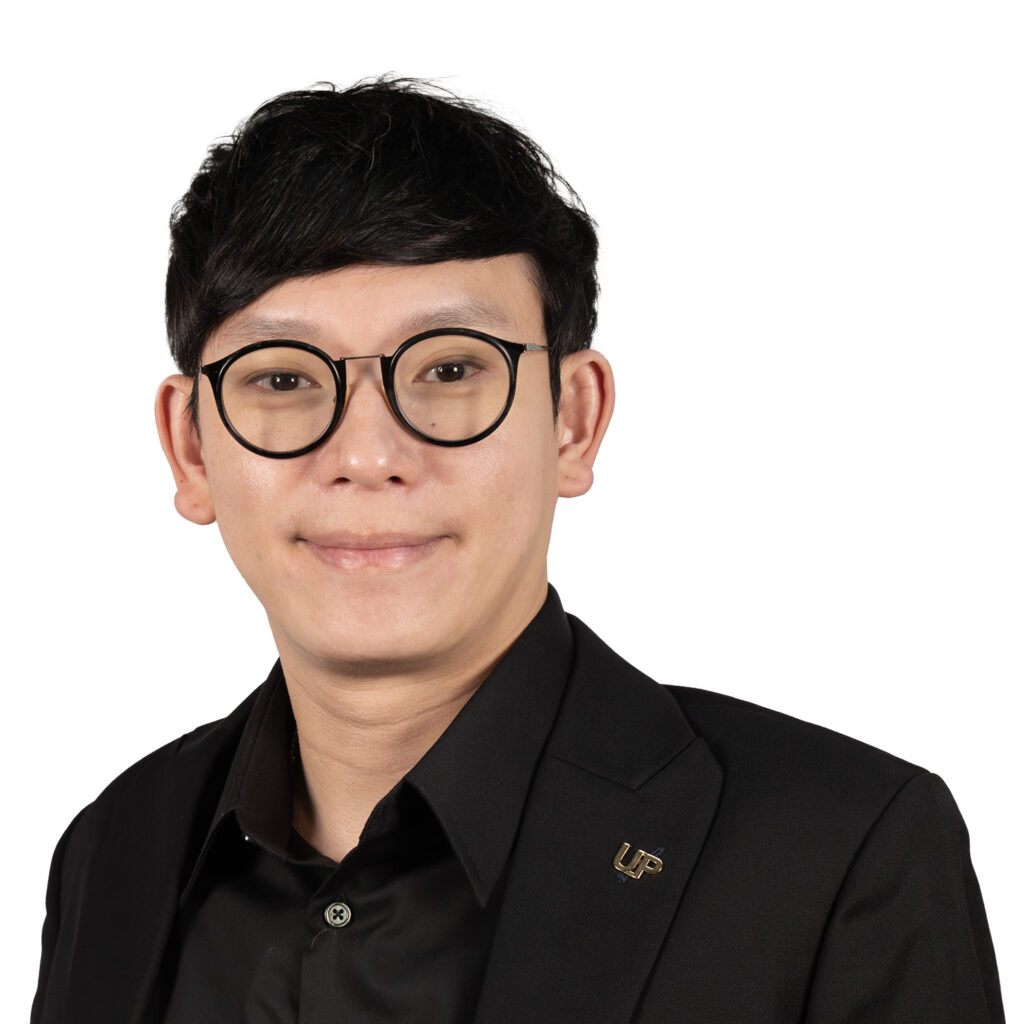
Tell us more about you, how your interest in this strain of creative industry sparked, and events at UPGroup Asia.
I have been in events for more than 10 years now, and what first pulled me in was the challenge of taking a concept and figuring out how it plays out with actual space, with real people, and real timelines to manage.
At UPGroup Asia, I work with a team that approaches events across all angles. We look at design, planning, technical production, content, and how the venue supports the experience we want to create. I enjoy that pace and energy. It keeps me hands-on, keeps me thinking, and reminds me why I enjoy the work that I do.
What non-design experience has most shaped how you think about design and how it has been implemented in your work?
The majority of my career has been rooted in operations, which shaped how I see design. It made me pay attention to how people move, what slows them down, what excites them, and what can completely change how an experience feels. It teaches you to see patterns, bottlenecks, and opportunities before anything even happens.
Because of that, I don’t separate design and operations. If anything, one strengthens the other. A creative idea becomes much stronger when you understand how it will play out in front of an audience, with all the execution realities that come with running an event.
What is a misconception about the design or creative industry you would like to clear up?
That creative ideas come instantly, or that design happens in isolation.
Most of the work we do involves detailed planning, coordination across multiple teams and constant refinement. Creativity in events for our team is about understanding the purpose of the event, how people will move through a space, what the technical limitations are and how the environment should feel.
Our best ideas usually come from combining operational understanding with creative thinking.
Budgets and production constraints are part of any campaign. Can you share a time when a client’s demands or financial pressure forced compromise?
Budget conversations happen in every project, and they often help shape the final direction of an experience. Many of our clients begin with a broad vision, and our role is to refine that vision so the idea stays strong while remaining feasible.
In these situations, we look closely at the purpose of the event and identify the moments that really matter to the audience. Once those moments are clear, we channel resources toward them and keep the surrounding elements simpler. This approach allows us to maintain the heart of the concept while working sensibly within the project scope.
I have found that this kind of collaboration often leads to clearer and more focused experiences.
What expectations do you have for the future of Singapore’s creative and events production industry?
The landscape is evolving quickly. Clients are looking for events with purpose. They want depth in the concept, strong technical execution, and experiences that feel considered from start to finish.
Audiences are also seeking more connection. Live, in-person moments matter more today, and that shifts how we plan and design. Sustainability and resource-conscious planning will continue to grow in importance. Teams who can combine creativity, technical knowledge and reliable delivery will be the ones to watch.
With artificial intelligence tools prevailing in our lives, how do you ensure creativity from the human touch can be authentically seen?
AI is becoming a helpful tool for events, especially for research, early ideation and speeding up certain parts of the workflow. But the heart of an experience still comes from people. What makes our events memorable is the instinct and understanding of human behaviour that come from experience on the ground.
At UPGroup Asia, we use technology where it helps us work smarter, but the creative direction, the decisions around flow and the way an audience should feel in a space are still shaped by human judgment. For us, the human touch shows up in the way we interpret a brief, how we adjust to challenges on site and how we design experiences that feel natural rather than mechanical.
What is your long-term vision for UPGroup Asia under your leadership as Chief Operations Officer?
My vision is to continue strengthening our ability to deliver high-quality experiences consistently, whether they involve creative concepting, detailed planning, technical production, content development or venue support. I want our teams to be known for reliability and for the ability to execute complex ideas while keeping the audience experience at the centre.
We are also building our regional capabilities across Southeast Asia, and I want us to grow in a way that ensures our standards remain consistent across different markets. Internally, my focus is on developing talent and refining our processes so that our teams can work more efficiently without losing creativity.
Planning an event? Partner with UPGroup Asia to elevate your event experience.



Like what you read?
Follow us on Instagram, Facebook, Linkedin and Youtube to get the latest updates!
Related Post
DBCS40 Gala Sponsor Spotlight Series – #1 (Jeremy Foo, Alpha Story)
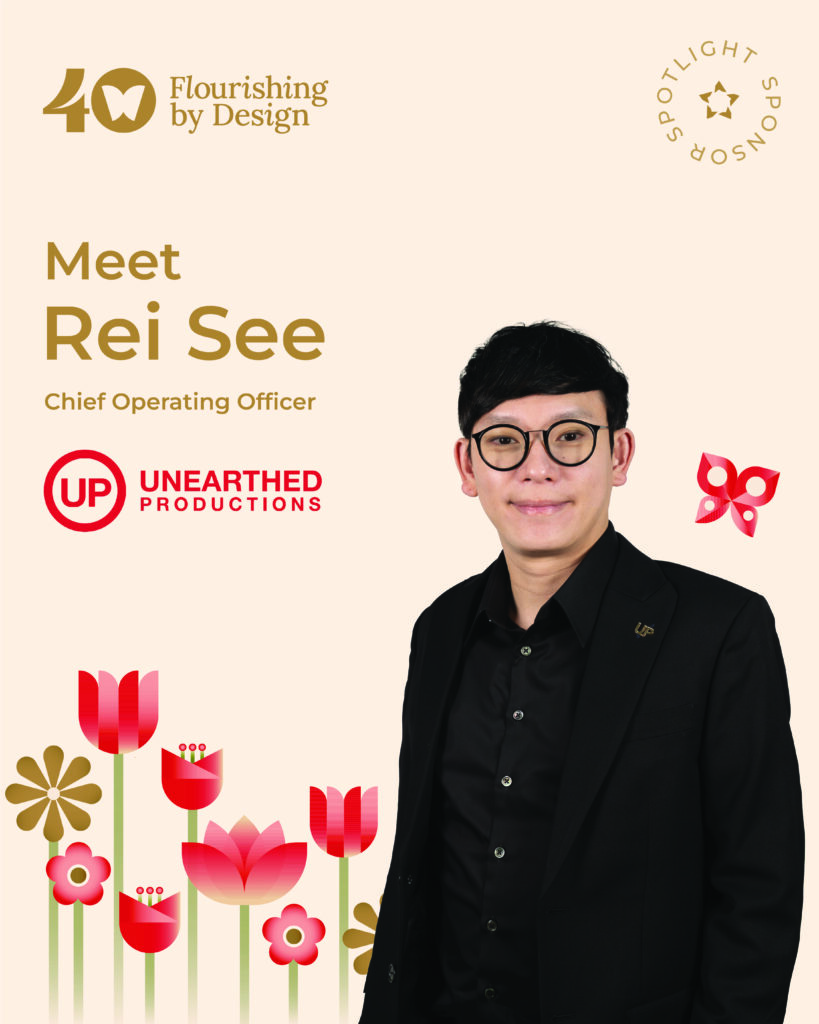
DBCS40 Gala Sponsor Spotlight Series – #2 (Rei See, UPGroup Asia)
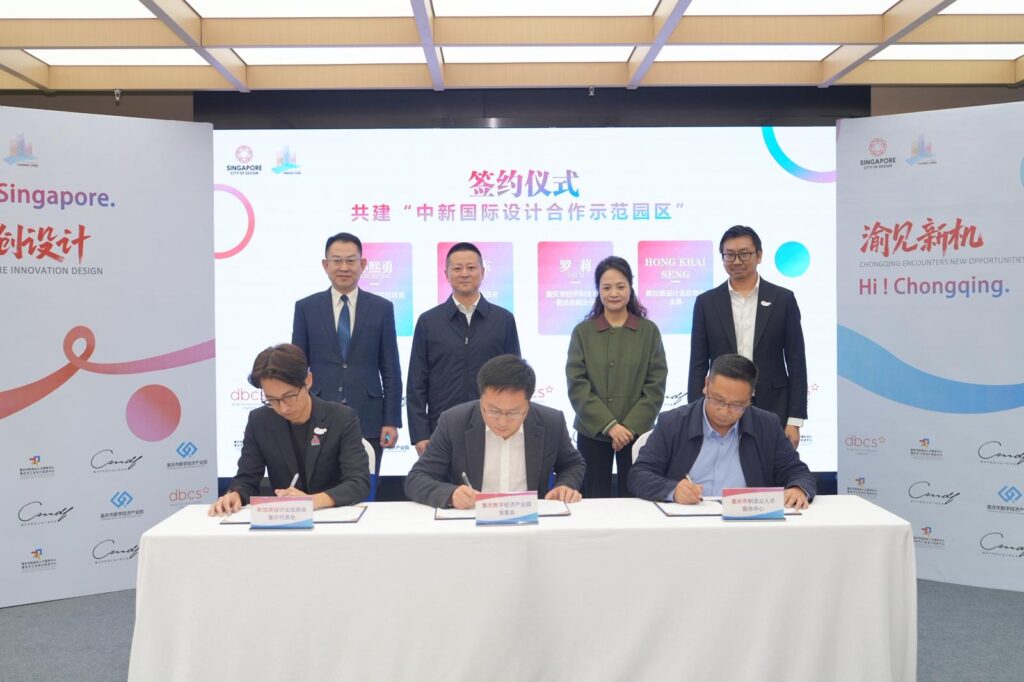
DBCS Establishes Strategic Presence in Chongqing; Launches Design-Led Collaboration Framework with Industry Partners in China
Singapore Airlines admitted into the 2025 Design Power Index
DBCS40 Gala Sponsor Spotlight Series – #1 (Jeremy Foo, Alpha Story)
DBCS40 Gala Sponsor Spotlight Series – #2 (Rei See, UPGroup Asia)
